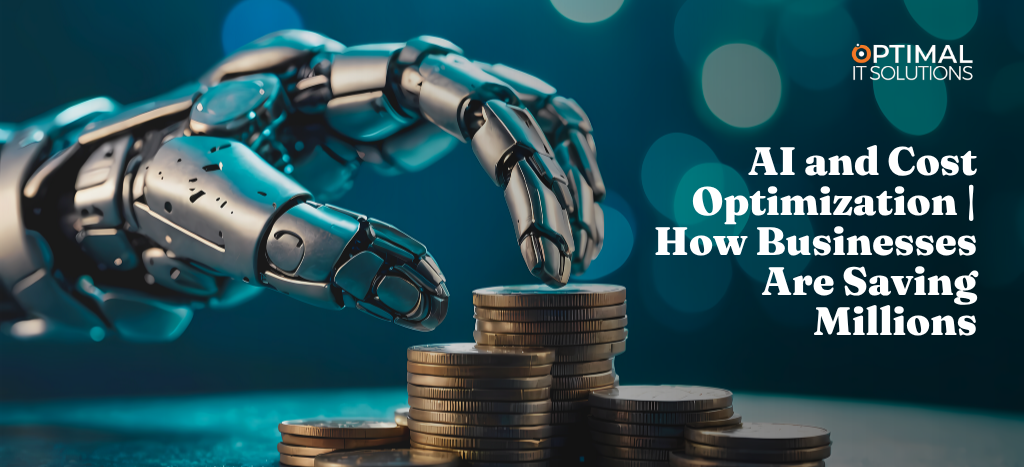
AI and Cost Optimization | How Businesses Are Saving Millions
Featured Posts
Not long ago, artificial intelligence (AI) was viewed as an advanced concept, something reserved for science fiction or research labs. It has become one of the most practical tools for businesses today that are looking to cut expenses and operate smoothly. Companies are using AI cost optimization strategies to save millions of dollars every year.
AI is transforming the way businesses manage their expenses without compromising on quality, from automating repetitive tasks to predicting market demand and minimizing waste.
This is not about replacing people. It’s about making the systems smarter. AI lets machines analyze data, identify patterns, and come up with better decisions. Businesses can do more with less with the help of AI. Let’s explore in detail how AI reduces costs and what its impact is.
How Does AI Reduce Costs?
The first question that any business leader asks is How exactly does AI save money? And the answer lies in its ability to remove inefficiencies and improve productivity across the board.
Here is how companies achieve business cost savings with AI.
1. Routine tasks automation
Many back-office tasks, like data entry, invoicing, or scheduling, take hours of employee time per week. AI-powered tools can automate these functions, which reduces labor costs and frees up staff for higher-value work.
2. Reduced waste and costs
Human errors are costly, especially in areas like finance or supply chain management. AI systems can study data with high accuracy and catch mistakes before they cause losses.
3. Predictive maintenance
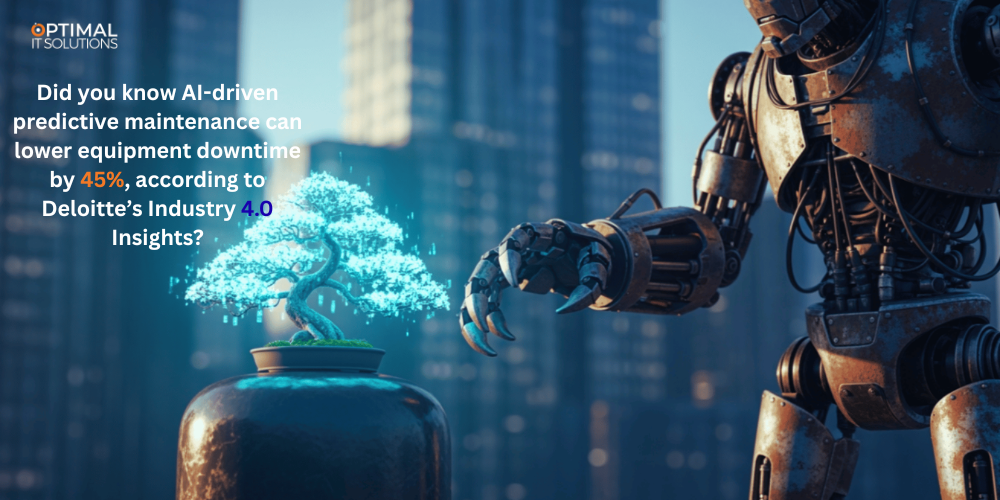
Unexpected equipment failures can cost millions in downtime in industries like manufacturing. Predictive AI maintenance tools monitor machines, detect early warning signs, and schedule repairs before breakdowns occur. This can cut maintenance costs by 25–30% and reduce downtime by nearly 45-50%
4. Smarter decision-making
5. Customer service optimization
AI chatbots can handle up to 80% of common customer queries, which decreases the need for large customer support teams. This alone can lower support costs by up to 30% and still provide 24/7 service.
AI lowers costs by removing waste, improving accuracy, and allowing companies to focus their human workforce on what matters most.
How AI Reduces Operational Costs
The biggest impact is usually seen beyond broad savings in day-to-day operations. Things like staffing, logistics, energy use, and resources are operational costs that take up a large portion of business expenses. AI cost optimization tools are helping companies simplify these areas powerfully.
1. Supply Chain and Inventory Management
Supply chains are complicated and expensive. If you order too much inventory, then storage costs increase, and if too little, you lose sales. AI solves this by predicting demand with outstanding accuracy. Companies like Walmart and McDonald’s use AI-driven systems to anticipate customer behavior and adjust inventory levels in real time. This reduces holding costs and minimizes waste.
2. Workforce Optimization
3. Energy and Resource Efficiency
4. Logistics and Transportation
The chances of sales increase with personalized marketing, while efficient supply chains ensure products are always available. Both of them boost sales directly.
5. Cost Avoidance through Automation
AI Technology for Cost Management
When it comes to cost management, AI is not a single tool. It’s a collection of technologies that work together. Businesses embrace different systems depending on their needs, but some of the most common include:
1. Spend Management Platforms
Modern procurement platforms powered by AI can analyze company spending, detect unusual patterns, and suggest areas for savings. For example, tools like Coupa and ACCIO help finance teams identify unnecessary expenses and negotiate better supplier contracts.
2. Data Analytics for Finance
AI-driven financial analytics platforms can predict budgets, identify hidden costs, and even detect fraud. Businesses gain real-time insights that traditional spreadsheets simply cannot provide by analyzing spending behavior across departments.
3. Predictive Analytics in Operations
4. AI-Powered Robotics
Robotics combined with AI is optimizing warehouse operations in industries like e-commerce. For example, companies like Ocado use AI-driven warehouse robots to move goods faster and with fewer errors, which cuts both labor and logistics costs.
5. Customer Relationship Management (CRM) Tools
AI-enabled CRM systems allow sales teams to focus on the most profitable leads, which improves conversion rates and reduces wasted time. These tools save money while boosting revenue by automating outreach and tracking customer interactions.
To sum it up, AI technology for cost management provides businesses with intelligent systems that track expenses and also actively suggest ways to save money.
Cut Your Business Costs With Smart AI Solutions
Schedule your free AI strategy session now.
The Balance Between Savings and Strategy
It’s important to remember that saving costs with AI is not just about cutting budgets, even though the benefits are clear. The best companies use AI to create sustainable efficiency, not just temporary savings. For example, replacing staff with automation may save your money in the short term, but it could harm your customer experience if not executed wisely.
As a leader, you need to focus on integrating AI in ways that improve efficiency and value by helping the business grow stronger.
Conclusion
The role of AI cost optimization in today’s economy is amazing. From predictive maintenance to supply chain management, from financial analytics to AI chatbots, businesses of almost every industry are realizing that smart use of AI can save millions and improve operations.
The future of cost management is about working smarter. Companies position themselves to not only survive but succeed in an increasingly competitive world by using AI technology for cost management.
FAQ's
Let's Connect With Our Experts
Get valuable consultation form our professionals to discuss your projects. We are here to help you with all of your queries.
Revolutionize Your Business
Collaborate with us and become a trendsetter through our innovative approach.
Get in Touch Now!
Founded in 2018, TekRevol is a trusted tech company delivering ISO 27001-certified digital solutions
Not long ago, artificial intelligence (AI) was viewed as an advanced concept, something reserved for science fiction or research labs. It has become one of the most practical tools for businesses today that are looking to cut expenses and operate smoothly. Companies are using AI cost optimization strategies to save millions of dollars every year. AI is transforming the way businesses manage their expenses without compromising on quality, from automating repetitive tasks to predicting market demand and minimizing waste.
This is not about replacing people. It’s about making the systems smarter. AI lets machines analyze data, identify patterns, and come up with better decisions. Businesses can do more with less with the help of AI. Let’s explore in detail how AI reduces costs and what its impact is.
How Does AI Reduce Costs?
The first question that any business leader asks is How exactly does AI save money? And the answer lies in its ability to remove inefficiencies and improve productivity across the board.
Here is how companies achieve business cost savings with AI.
1. Routine tasks automation
Many back-office tasks, like data entry, invoicing, or scheduling, take hours of employee time per week. AI-powered tools can automate these functions, which reduces labor costs and frees up staff for higher-value work.
2. Reduction of errors
Human errors are costly, especially in areas like finance or supply chain management. AI systems can study data with high accuracy and catch mistakes before they cause losses.
3. Predictive maintenance
Unexpected equipment failures can cost millions in downtime in industries like manufacturing. Predictive AI maintenance tools monitor machines, detect early warning signs, and schedule repairs before breakdowns occur. This can cut maintenance costs by 25–30% and reduce downtime by nearly 45-50%
4. Smarter decision-making
Businesses use AI algorithms to analyze trends and forecast demand instead of relying on guesswork. For example, retailers can predict which products will sell, which reduces overstocking or shortages.
5. Customer service optimization
AI chatbots can handle up to 80% of common customer queries, which decreases the need for large customer support teams. This alone can lower support costs by up to 30% and still provide 24/7 service.
AI lowers costs by removing waste, improving accuracy, and allowing companies to focus their human workforce on what matters most.
How AI Reduces Operational Costs
The biggest impact is usually seen beyond broad savings in day-to-day operations. Things like staffing, logistics, energy use, and resources are operational costs that take up a large portion of business expenses. AI cost optimization tools are helping companies simplify these areas powerfully.
1. Supply Chain and Inventory Management
Supply chains are complicated and expensive. If you order too much inventory, then storage costs increase, and if too little, you lose sales. AI solves this by predicting demand with outstanding accuracy. Companies like Walmart and McDonald’s use AI-driven systems to anticipate customer behavior and adjust inventory levels in real time. This reduces holding costs and minimizes waste.
2. Workforce Optimization
Labor is usually the biggest operational cost. AI scheduling tools can optimize shift planning, which reduces unnecessary overtime and ensures good coverage. Some businesses have reported saving millions by simply letting AI assign resources.
3. Energy and Resource Efficiency
AI systems can monitor energy usage in factories, warehouses, or office buildings to adjust heating, cooling, and lighting, and to minimize waste. For example, Google reported that using AI to manage its data centers cut cooling costs by nearly 40%.
4. Logistics and Transportation
AI-powered route optimization can reduce fuel costs and delivery times for businesses that rely on shipping or deliveries. Logistics companies like UPS and FedEx already use AI to develop smarter routes to save millions annually on fuel and maintenance.
5. Cost Avoidance through Automation
Sometimes the savings aren’t about cutting existing expenses but avoiding new ones. Companies use AI to handle growing workloads without hiring more staff. For example, instead of adding more customer service agents, businesses use AI chatbots that manage growing volumes of queries at minimal cost.
AI reduces operational costs through these approaches in a way that creates lasting efficiency, rather than just temporary cuts.
AI Technology for Cost Management
When it comes to cost management, AI is not a single tool. It’s a collection of technologies that work together. Businesses embrace different systems depending on their needs, but some of the most common include:
1. Spend Management Platforms
Modern procurement platforms powered by AI can analyze company spending, detect unusual patterns, and suggest areas for savings. For example, tools like Coupa and ACCIO help finance teams identify unnecessary expenses and negotiate better supplier contracts.
2. Data Analytics for Finance
AI-driven financial analytics platforms can predict budgets, identify hidden costs, and even detect fraud. Businesses gain real-time insights that traditional spreadsheets simply cannot provide by analyzing spending behavior across departments.
3. Predictive Analytics in Operations
Predictive analytics from retail to manufacturing helps companies anticipate demand, schedule labor, and adjust production. This reduces waste and ensures resources are used efficiently.
4. AI-Powered Robotics
Robotics combined with AI is optimizing warehouse operations in industries like e-commerce. For example, companies like Ocado use AI-driven warehouse robots to move goods faster and with fewer errors, which cuts both labor and logistics costs.
5. Customer Relationship Management (CRM) Tools
AI-enabled CRM systems allow sales teams to focus on the most profitable leads, which improves conversion rates and reduces wasted time. These tools save money while boosting revenue by automating outreach and tracking customer interactions.
To sum it up, AI technology for cost management provides businesses with intelligent systems that track expenses and also actively suggest ways to save money.
Cut Your Business Costs With Smart AI Solutions
Schedule your free AI strategy session now.
The Balance Between Savings and Strategy
It’s important to remember that saving costs with AI is not just about cutting budgets, even though the benefits are clear. The best companies use AI to create sustainable efficiency, not just temporary savings. For example, replacing staff with automation may save your money in the short term, but it could harm your customer experience if not executed wisely.
As a leader, you need to focus on integrating AI in ways that improve efficiency and value by helping the business grow stronger.
Conclusion
The role of AI cost optimization in today’s economy is amazing. From predictive maintenance to supply chain management, from financial analytics to AI chatbots, businesses of almost every industry are realizing that smart use of AI can save millions and improve operations.
The future of cost management is about working smarter. Companies position themselves to not only survive but succeed in an increasingly competitive world by using AI technology for cost management.
Frequently Asked Questions (FAQ's)
AI reduces costs by automating repetitive tasks, improving accuracy, forecasting demand, and minimizing waste in operations like inventory and energy management.
It facilitates operations through predictive maintenance, smarter supply chain management, and optimized workforce scheduling.
AI cost optimization is the use of artificial intelligence tools and strategies to identify, reduce, and manage business expenses while improving efficiency.
Manufacturing, retail, logistics, healthcare, and finance are leading examples, though nearly every industry can achieve business cost savings with AI.
Risks include over-reliance on automation, potential job displacement, and data privacy concerns. Businesses should balance savings with ethical and strategic considerations.
AI reduces costs by automating repetitive tasks, improving accuracy, forecasting demand, and minimizing waste in operations like inventory and energy management.
It facilitates operations through predictive maintenance, smarter supply chain management, and optimized workforce scheduling.
AI cost optimization is the use of artificial intelligence tools and strategies to identify, reduce, and manage business expenses while improving efficiency.
Manufacturing, retail, logistics, healthcare, and finance are leading examples, though nearly every industry can achieve business cost savings with AI.
Risks include over-reliance on automation, potential job displacement, and data privacy concerns. Businesses should balance savings with ethical and strategic considerations.