Optimal IT Solutions | Web & App Developement Expert

Home AI Development How AI Transforming Healthcare Industry | Faster, Smarter, and More Affordable

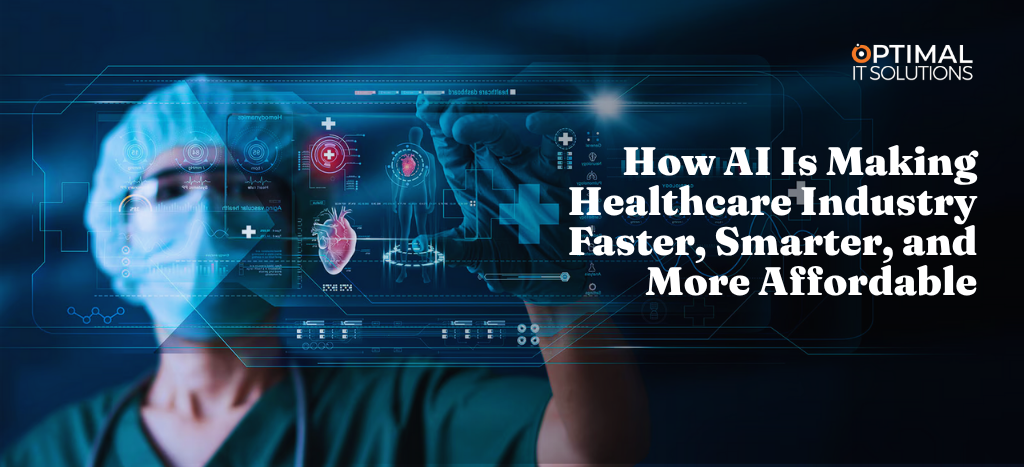
How AI Transforming Healthcare Industry | Faster, Smarter, and More Affordable

Updated: January 06, 2026 12 Mins 143 Views
Written By :OITS Editorial Team
AI in healthcare Industry

The involvement of AI in the healthcare industry has become impossible to ignore. At first glance, it might seem like a complex topic only doctors in white coats or data scientists worry about. But the reality is different, AI is quietly reshaping healthcare in ways that affect all of us.

Think about your last visit to a doctor’s office: long waiting times, piles of paperwork, and rushed consultations. What if you knew that AI in healthcare industry is gradually addressing these challenges? It’s not magic, it’s smart technology working behind the scenes to help doctors, researchers, and patients alike. Let’s dive in and explore why this matters.

Why AI Matters in the Healthcare Industry

Healthcare is incredibly complex. Doctors juggle lab results, patient histories, imaging scans, and treatment plans every single day. Human limitations mean errors can happen, or processes can become slow and inefficient.


This is where AI in healthcare industry plays a crucial role. Think of AI as an assistant that never tires, never skips a detail, and continuously helps medical professionals make better decisions.


Beyond error prevention, AI personalizes care by analyzing patient histories and genetic data to recommend treatments that work best for each individual, instead of using a one-size-fits-all approach.


Paperwork is another area where AI shines. By automating documentation, AI frees up medical staff to spend more time with patients. It can even reduce human biases in decision-making, ensuring fairer and more data-driven outcomes.

Why AI Matters in the Healthcare Industry

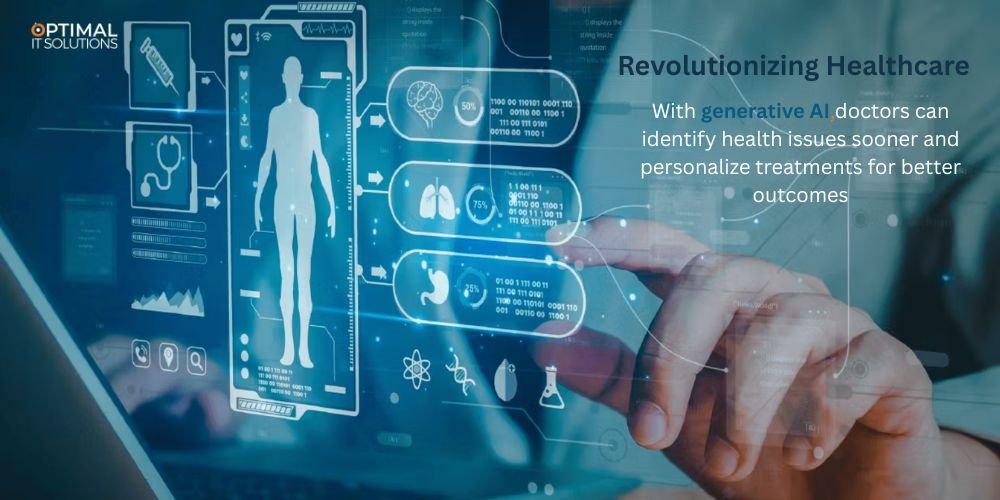
Generative AI in healthcare is more than a buzzword. It is actively improving diagnostics, treatment, and patient experience in multiple ways:

1. Making Sense of Medical Images

Analyzing X-rays, MRIs, and CT scans can be challenging, even for experienced radiologists. Generative AI in healthcare can detect subtle details that might go unnoticed, like tiny shadows or irregular patterns, improving early detection and treatment outcomes.

2. Virtual Health Assistants

AI-powered chatbots guide patients through basic queries, remind them to take medications, and provide information 24/7. They don’t replace doctors but reduce pressure on the healthcare system and offer peace of mind to patients.

3. Predicting Health Issues Before Symptoms Appear

By analyzing lifestyle, family history, and genetics, AI models can predict who may be at risk for diseases like diabetes or heart conditions. This early-warning capability allows preventive action before symptoms develop.

4. Smarter decision-making

Developing new medications is costly and time-consuming. Generative AI in healthcare can simulate how drugs interact with the body, reducing testing time and bringing effective treatments to market faster.

5. Remote Monitoring and Wearables

AI-enabled devices track vital signs like heart rate or blood sugar in real-time. Alerts to medical staff can prevent complications, reducing hospital visits and improving comfort for patients, especially those in remote areas.

Key Benefits of AI in Healthcare Industry

The advantages of AI go beyond efficiency they improve real human experiences:

Challenges of AI in Healthcare

While the benefits are significant, AI adoption is not without hurdles:

The Future of Generative AI in Healthcare

The future is promising. Generative AI in healthcare could soon create real-time personalized treatment plans, predict public health trends, and optimize resource allocation. A world where healthcare is smarter, faster, and more accessible is closer than many realize.

How Optimal IT Solutions Supports AI Innovation in Healthcare

At Optimal IT Solutions, we specialize in building AI-powered solutions for the healthcare industry. Our team designs intelligent systems that streamline workflows, enhance diagnostics, and personalize patient care. From predictive analytics to generative AI applications, we help organizations leverage technology to improve efficiency, reduce costs, and deliver better outcomes.


If you’re looking to bring AI innovation to your healthcare practice or project, we can provide end-to-end AI development services tailored to your needs.

Ready to transform your healthcare solutions with AI?

Schedule a free consultation with our experts now

Final Thoughts

AI in the healthcare industry is no longer a distant vision it’s already improving patient care, reducing costs, and enhancing efficiency. Generative AI in healthcare provides advanced tools for diagnostics, monitoring, and research, making healthcare more intelligent and accessible.


By partnering with Optimal IT Solutions, organizations can implement AI solutions that transform healthcare delivery and help patients live healthier, safer lives.


Ready to explore how AI can improve your healthcare solutions?

FAQ's

What is the role of AI in healthcare?

AI helps analyze medical data, predict patient risks, automate workflows, and improve diagnostics, making healthcare faster, safer, and more personalized.

How does generative AI in healthcare work?
Generative AI can simulate complex scenarios, create predictive models, and assist in drug research or treatment planning, helping doctors make data-driven decisions.
Can AI replace doctors?
No. AI supports medical professionals by handling data and automation, but human expertise and empathy remain irreplaceable.
What are the most common applications of AI in healthcare?
AI is used for medical imaging analysis, predictive analytics, virtual health assistants, personalized treatment plans, drug discovery, and remote patient monitoring, helping healthcare providers deliver smarter and faster care.
How does AI improve patient outcomes?

By analyzing vast amounts of medical data, AI identifies risks early, recommends personalized treatments, reduces errors, and supports doctors with accurate insights leading to better, faster, and more effective patient care

Let's Connect With Our Experts

Get valuable consultation form our professionals to discuss your projects. We are here to help you with all of your queries.

Revolutionize Your Business

Collaborate with us and become a trendsetter through our innovative approach.

Get in Touch Now!

Founded in 2018, TekRevol is a trusted tech company delivering ISO 27001-certified digital solutions

AI in healthcare Industry

The involvement of AI in the healthcare industry has become impossible to ignore. At first glance, it might seem like a complex topic only doctors in white coats or data scientists worry about. But the reality is different, AI is quietly reshaping healthcare in ways that affect all of us.

Think about your last visit to a doctor’s office: long waiting times, piles of paperwork, and rushed consultations. What if you knew that AI in healthcare industry is gradually addressing these challenges? It’s not magic, it’s smart technology working behind the scenes to help doctors, researchers, and patients alike. Let’s dive in and explore why this matters.

Why AI Matters in the Healthcare Industry

Healthcare is incredibly complex. Doctors juggle lab results, patient histories, imaging scans, and treatment plans every single day. Human limitations mean errors can happen, or processes can become slow and inefficient.

This is where AI in healthcare industry plays a crucial role. Think of AI as an assistant that never tires, never skips a detail, and continuously helps medical professionals make better decisions. Beyond error prevention, AI personalizes care by analyzing patient histories and genetic data to recommend treatments that work best for each individual, instead of using a one-size-fits-all approach.

Paperwork is another area where AI shines. By automating documentation, AI frees up medical staff to spend more time with patients. It can even reduce human biases in decision-making, ensuring fairer and more data-driven outcomes.

How Generative AI is Helping in Healthcare

Generative AI in healthcare is more than a buzzword. It is actively improving diagnostics, treatment, and patient experience in multiple ways:

1. Making Sense of Medical Images

Analyzing X-rays, MRIs, and CT scans can be challenging, even for experienced radiologists. Generative AI in healthcare can detect subtle details that might go unnoticed, like tiny shadows or irregular patterns, improving early detection and treatment outcomes.

2. Virtual Health Assistants

AI-powered chatbots guide patients through basic queries, remind them to take medications, and provide information 24/7. They don’t replace doctors but reduce pressure on the healthcare system and offer peace of mind to patients.

3. Predicting Health Issues Before Symptoms Appear

By analyzing lifestyle, family history, and genetics, AI models can predict who may be at risk for diseases like diabetes or heart conditions. This early-warning capability allows preventive action before symptoms develop.

4. Accelerating Drug Research

Developing new medications is costly and time-consuming. Generative AI in healthcare can simulate how drugs interact with the body, reducing testing time and bringing effective treatments to market faster.

5. Remote Monitoring and Wearables

AI-enabled devices track vital signs like heart rate or blood sugar in real-time. Alerts to medical staff can prevent complications, reducing hospital visits and improving comfort for patients, especially those in remote areas.

Key Benefits of AI in Healthcare Industry

The advantages of AI go beyond efficiency they improve real human experiences:

  • Smarter Diagnoses: AI acts as a safety net, detecting issues that might be missed by humans and confirming complex diagnoses.

  • Lower Costs: Automation and predictive tools reduce unnecessary tests and hospital stays, making healthcare more affordable.

  • Personalized Care: AI tailors treatments to individual patient needs, improving outcomes and minimizing side effects.

  • Faster Innovation: From new drugs to advanced therapies, AI accelerates research and development.

  • Reduced Workload for Medical Staff: Automating repetitive tasks allows doctors and nurses to focus on patient care.

Challenges of AI in Healthcare

While the benefits are significant, AI adoption is not without hurdles:

  • Privacy Concerns: Patient data is highly sensitive, and AI systems must ensure security and compliance.

  • Trust and Transparency: Doctors need to understand how AI arrives at its recommendations before fully relying on it.

  • Integration Challenges: Introducing AI without overwhelming medical staff requires careful planning and support.

The Future of Generative AI in Healthcare

The future is promising. Generative AI in healthcare could soon create real-time personalized treatment plans, predict public health trends, and optimize resource allocation. A world where healthcare is smarter, faster, and more accessible is closer than many realize.

How Optimal IT Solutions Supports AI Innovation in Healthcare

At Optimal IT Solutions, we specialize in building AI-powered solutions for the healthcare industry. Our team designs intelligent systems that streamline workflows, enhance diagnostics, and personalize patient care. From predictive analytics to generative AI applications, we help organizations leverage technology to improve efficiency, reduce costs, and deliver better outcomes.

If you’re looking to bring AI innovation to your healthcare practice or project, we can provide end-to-end AI development services tailored to your needs.

Ready to transform your healthcare solutions with AI?

Schedule a free consultation with our experts now

Final Thoughts

AI in the healthcare industry is no longer a distant vision it’s already improving patient care, reducing costs, and enhancing efficiency. Generative AI in healthcare provides advanced tools for diagnostics, monitoring, and research, making healthcare more intelligent and accessible.

By partnering with Optimal IT Solutions, organizations can implement AI solutions that transform healthcare delivery and help patients live healthier, safer lives.

Ready to explore how AI can improve your healthcare solutions?

Frequently Asked Questions (FAQ's)

AI helps analyze medical data, predict patient risks, automate workflows, and improve diagnostics, making healthcare faster, safer, and more personalized.

Generative AI can simulate complex scenarios, create predictive models, and assist in drug research or treatment planning, helping doctors make data-driven decisions.

No. AI supports medical professionals by handling data and automation, but human expertise and empathy remain irreplaceable.

AI is used for medical imaging analysis, predictive analytics, virtual health assistants, personalized treatment plans, drug discovery, and remote patient monitoring, helping healthcare providers deliver smarter and faster care.

By analyzing vast amounts of medical data, AI identifies risks early, recommends personalized treatments, reduces errors, and supports doctors with accurate insights leading to better, faster, and more effective patient care

What is the role of AI in healthcare?

AI helps analyze medical data, predict patient risks, automate workflows, and improve diagnostics, making healthcare faster, safer, and more personalized.

How does generative AI in healthcare work?

Generative AI can simulate complex scenarios, create predictive models, and assist in drug research or treatment planning, helping doctors make data-driven decisions.

Can AI replace doctors?

No. AI supports medical professionals by handling data and automation, but human expertise and empathy remain irreplaceable.

What are the most common applications of AI in healthcare?

AI is used for medical imaging analysis, predictive analytics, virtual health assistants, personalized treatment plans, drug discovery, and remote patient monitoring, helping healthcare providers deliver smarter and faster care.

How does AI improve patient outcomes?

By analyzing vast amounts of medical data, AI identifies risks early, recommends personalized treatments, reduces errors, and supports doctors with accurate insights leading to better, faster, and more effective patient care