How Blockchain Reduces Costs in Digital Transactions

Featured Posts

Key Takeaways:
- Blockchain reduces transaction costs by removing middlemen.
- Faster settlements reduce delays and improve cash flow.
- Smart contracts automate processes and lower operational costs.
- Cross-border payments become cheaper and quicker.
- Security reduces fraud-related expenses over time.
- Cost savings increase as transaction volume grows.
Every time money moves online, someone takes a cut. Sometimes it’s obvious, like bank fees. Sometimes it hides inside exchange rates, processing charges, or delays that quietly cost businesses money. Most people accept these costs as “normal.” They shouldn’t.
Blockchain technology entered this space with a simple idea: remove the middle layers that make transactions slow and expensive. When people say blockchain reduces cost, they are not talking about theory anymore. They are talking about real changes already happening in digital payments.
Blockchain reduces costs in digital transactions by eliminating intermediaries, automating processes through smart contracts, and enabling faster settlements. This reduces fees, delays, and operational expenses for businesses and users.
Let’s break this down in plain language.
The Hidden Cost of Traditional Digital Transactions
When you send money digitally using a bank or payment app, the transaction does not go straight from you to the receiver. It passes through several hands. Each hand verifies, approves, records, and charges a fee. Banks rely on intermediaries.
Payment gateways rely on processors. International transfers rely on clearing houses. All of these systems need staff, infrastructure, and time. You pay for all of it.
Even when a transaction looks cheap, delays add cost. A business waiting three days for settlement loses cash flow. A freelancer waiting a week loses flexibility. These costs rarely show up on receipts, but they exist. This is where blockchain changes the structure, not just the price.
How Blockchain Changes Digital Transaction Costs
Blockchain works as a shared digital ledger. Every transaction records itself across a network instead of sitting inside one company’s database. No single authority controls it.
This design removes the need for multiple verifiers. The network confirms the transaction together. Once confirmed, no one can quietly change it. Because there is no chain of middlemen, blockchain reduces transaction costs by cutting out the layers that normally demand fees. Fewer layers mean fewer charges. It also means fewer delays.
Transactions settle faster because the system does not wait for approvals from multiple institutions.
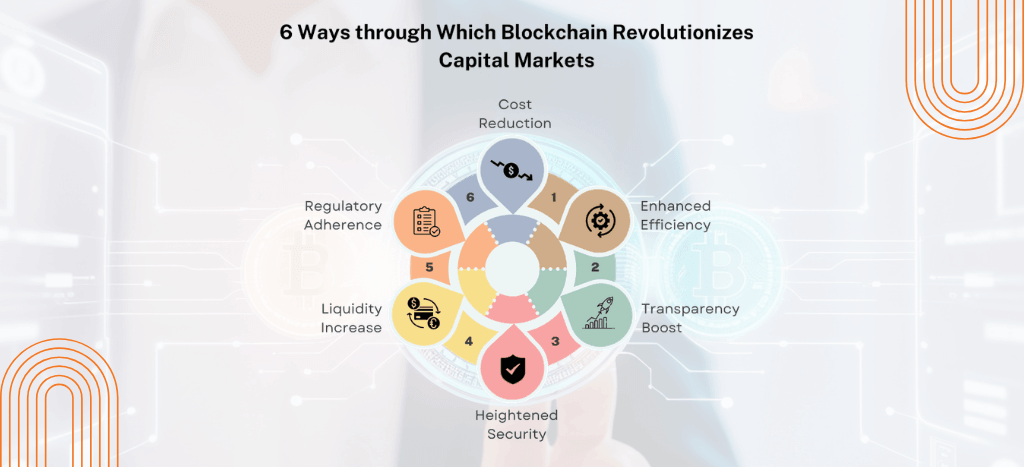
Why Fewer Intermediaries Reduce Transaction Costs
Traditional systems depend on trust between institutions. Blockchain depends on math and transparency.
When trust comes from code instead of contracts, companies spend less on:
- Reconciliation
- Fraud prevention
- Manual verification
- Dispute handling
This is why blockchain reduces cost at scale. The savings grow as transaction volume increases. A business processing thousands of payments sees a bigger difference than an individual sending money once a month.
Automation Plays a Bigger Role Than Most People Realize
Blockchain platforms often use smart contracts. These are simple programs that execute transactions automatically once conditions are met.
- No emails.
- No approval chains.
- No waiting for office hours.
Automation removes human involvement where it isn’t needed. Humans cost money. Systems do not take breaks.
This automation contributes directly to how blockchain reduces transaction costs, especially in recurring payments, subscriptions, and cross-border deals.
How Blockchain Reduces Costs in Cross-Border Payments
International payments expose the weaknesses of traditional systems. Fees stack up quickly. Exchange rates shift. Delays stretch into days. Blockchain-based transfers do not care about borders.
The network treats a local payment and an international payment the same way. Businesses that operate globally notice the difference almost immediately.
They stop paying conversion fees to multiple parties. They stop waiting for settlements. They stop losing money to inefficiency. This is one of the clearest reasons companies adopt blockchain for payments.
Real-World Examples of Cost Reduction Using Blockchain
Banks were slow to accept blockchain at first. Now, many quietly use it behind the scenes.
- Some remittance companies replaced traditional rails with blockchain-based settlements. They reduced transfer fees by more than half. They also reduced settlement times from days to minutes.
- Supply chain platforms use blockchain to process payments automatically when goods arrive. This removes paperwork, reduces disputes, and lowers administrative costs.
- Online platforms use blockchain for microtransactions. Traditional payment systems charge too much for small payments. Blockchain makes low-value transactions practical again.
These examples show that blockchain reduces cost not by cutting corners, but by redesigning the system itself.
Security Reduces Long-Term Expenses
Fraud costs money even when it does not happen. Companies spend heavily on preventing it. Blockchain records transactions in a way that makes tampering extremely difficult. Once data enters the ledger, it stays there.
Everyone sees the same version. This transparency reduces fraud-related losses and lowers insurance, auditing, and compliance costs. Over time, these savings add up. Security is not just protection. It is financial efficiency.
Is Blockchain Right for Your Payment Platform?
Blockchain does not fit every use case. Small, local businesses with simple payment needs may not feel immediate benefits. However, platforms that process high volumes, handle international users, or rely on fast settlements often benefit the most.
If your platform struggles with fees, delays, or reconciliation issues, blockchain deserves serious consideration. The question is not whether blockchain is trendy. The question is whether your current system wastes money. That is where many companies find their answer.
Adoption Costs vs Long-Term Savings
Blockchain integration requires investment. Development, compliance, and education take time and money. The key difference lies in long-term cost behavior. Traditional systems grow more expensive as volume increases.
Blockchain systems often become cheaper per transaction at scale. This is why large platforms adopt it first. The math makes sense for them earlier.
💡 Ready to Cut Transaction Costs with Blockchain?
Blockchain technology is transforming how businesses handle digital transactionsmaking them faster, more secure, and significantly more cost-efficient. At Optimal IT Solutions, we help you implement smart blockchain solutions tailored to your business needs, so you can reduce intermediaries, lower fees, and streamline operations with confidence.
Future of Low-Cost Digital Transactions with Blockchain
The future points toward simpler, cheaper digital payments. Blockchain infrastructure continues to mature. Regulation becomes clearer. User experience improves. As adoption grows, competition increases. This competition pushes transaction costs even lower. In the long run, users may stop thinking about “blockchain payments” at all.
They will simply expect transactions to be fast, cheap, and reliable. That expectation exists because blockchain reduces transaction costs in ways older systems cannot match.
Why Blockchain Is Transforming Digital Transactions
Blockchain is increasingly adopted by financial institutions, fintech companies, and global platforms to improve efficiency and reduce costs. Its decentralized structure and transparent design make it a reliable solution for modern payment systems.
As adoption grows, blockchain continues to prove its value in reducing operational expenses and improving transaction reliability.
How Optimal IT Solutions Delivers Cost-Effective Blockchain Solutions for Digital Transactions
At Optimal IT Solutions, blockchain development is designed to reduce digital transaction costs by eliminating intermediaries and streamlining payment processes. The approach focuses on building secure, decentralized systems that enable faster settlements and minimize processing fees. By combining scalable architecture, smart contract automation, and performance-driven solutions.
Final Thoughts
Digital transactions should not feel expensive or complicated. For decades, people accepted high fees because there was no alternative. Blockchain offers a different model. It removes unnecessary layers. It automates trust. It speeds up settlement. This is why people say blockchain reduces cost. Not as a slogan, but as a structural shift.
The direction is clear, whether businesses adopt it today or later. Lower-cost digital transactions are not a future idea anymore. They are already happening.
FAQ's
Blockchain reduces transaction costs by removing intermediaries, automating processes, and enabling direct peer-to-peer transactions.
Traditional systems involve multiple intermediaries, processing fees, and delays, all of which increase costs
In many cases, yes. Blockchain transactions can be faster and cheaper, especially for international payments
Finance, supply chains, remittances, and digital platforms benefit the most from reduced transaction costs.
Yes, smart contracts automate agreements, eliminating manual processing and reducing administrative expenses.
Let's Connect With Our Experts
Get valuable consultation form our professionals to discuss your projects. We are here to help you with all of your queries.
Revolutionize Your Business
Collaborate with us and become a trendsetter through our innovative approach.